Custom Roller and Hardware OEM Manufacturing
From a drawing or physical sample to mould development, bearing preparation, injection moulding, metal stamping, assembly, inspection and export packaging.
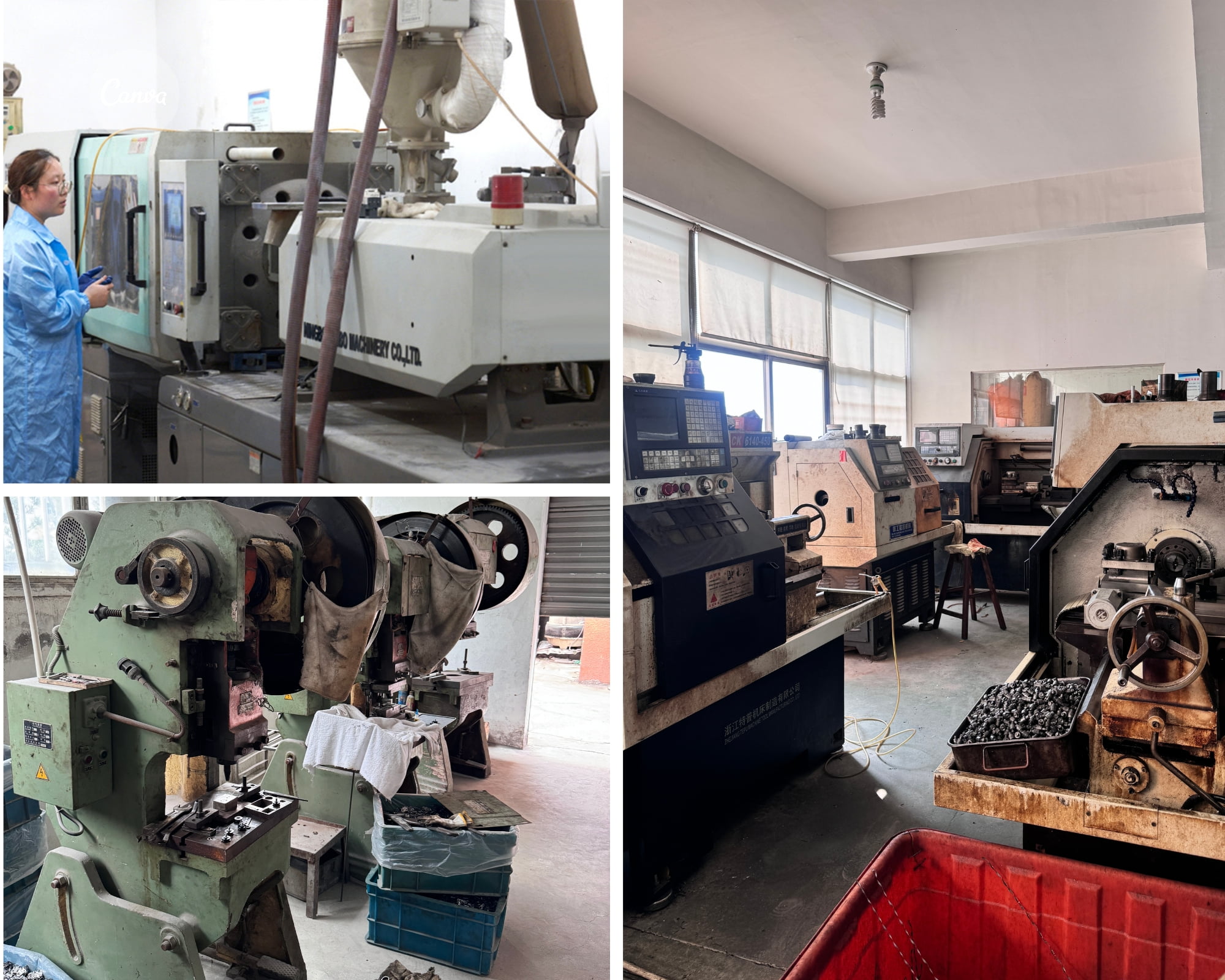
What Can We Custom Manufacture?
Purchase one component or let us coordinate the complete roller,pulley and hardware assembly.
Plastic Coated Bearing Rollers
Custom wheel dimensions, running profiles, materials, colours and bearing protection.
Bearings
Standard or project-specific dimensions, steel options, shields, seals and overmoulding preparation.
Moulded Plastic, Rubber and Silicone Parts
Plastic components, rubber and silicone rings,and other custom parts made to customize.
Stamped Metal Parts
Brackets, mounting plates, covers, shafts and formed hardware made to approved drawings.
Complete Assemblies
Rollers, pulley wheels, bearings, shafts, washers, brackets and fasteners inspected and supplied as complete assemblies.
How Does the OEM Process Work?
We manage the project as one coordinated manufacturing process. After the drawing or sample-based specification is approved, bearings, moulded components and metal hardware can be prepared in parallel.
Application and Requirement Review
Drawing, sample, application, load, environment, quantity and packaging requirements.
Engineering Evaluation
Structure, material, bearing, tolerances, tooling route and assembly method.
Mould Development
Injection mould or stamping die design, manufacturing, fitting and trial.
Bearing Preparation
Dimensions, material, shield or seal, rotation and overmoulding suitability.
Injection Moulding
Material preparation, insert positioning, moulding, cooling, trimming and inspection.
Hardware Processing
Blanking, punching, stamping, bending, machining, deburring and finishing.
Assembly, Inspection and Testing
Component fitting, alignment, free rotation, operating clearance and final checks.
Packaging and Export
Product protection, labels, customer part numbers, shipping marks and cartons.
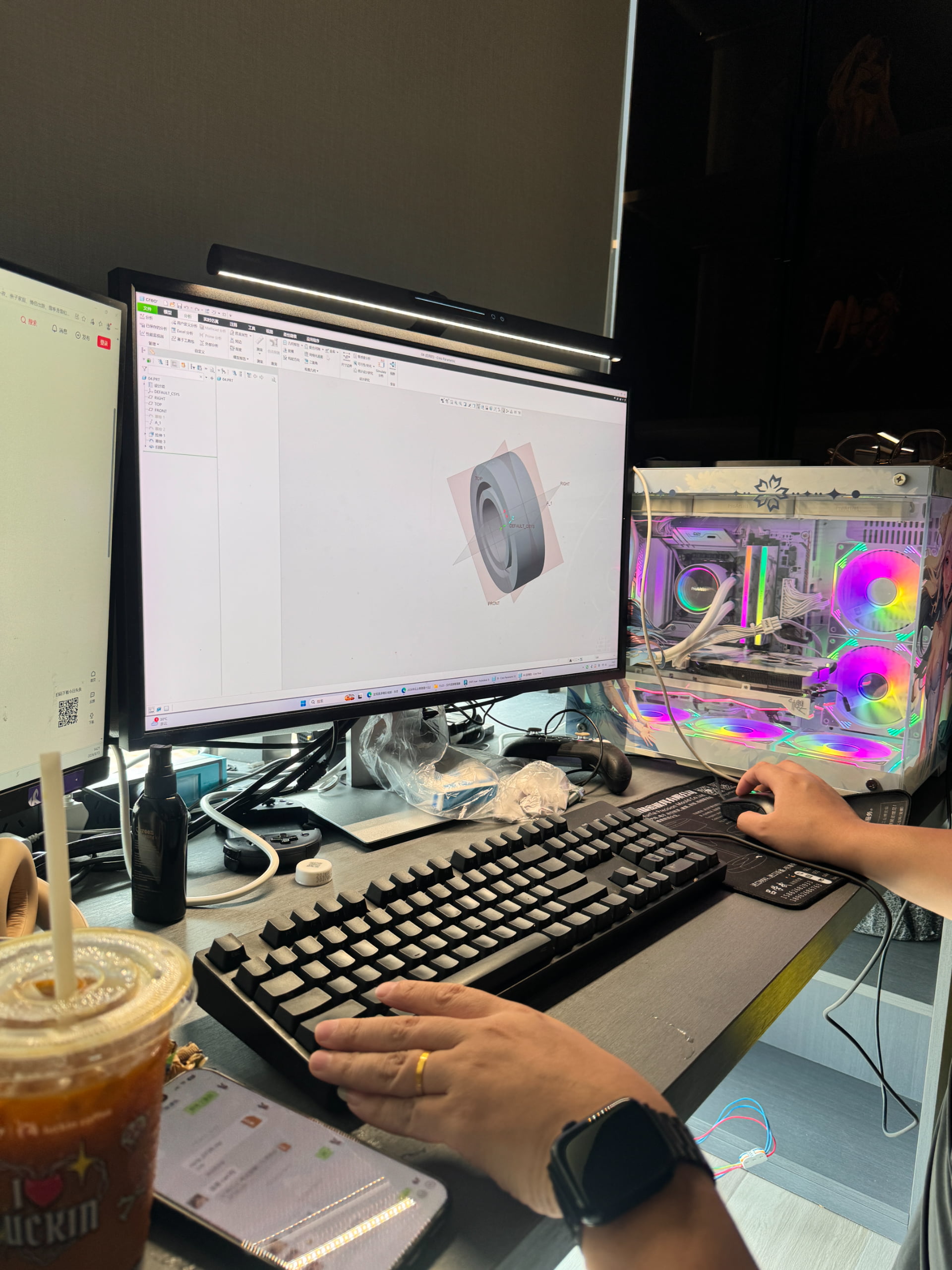
Start with a Drawing,Sample or Application
We first confirm how the roller or hardware assembly will be used. This prevents tooling from starting before the track geometry, load direction, bearing fit and mounting conditions are understood.
- Review the 2D drawing 3D model or physical sample
- Confirm track profile,load and operating environment
- Evaluate an existing mould secondary machining or new tooling
- Confirm tolerances,materials,surface treatment and assembly clearances
How Do We Develop a Custom Injection Mould?
A consistent custom roller or pulley starts with accurate product and mould design. Bearing position, wheel concentricity, groove geometry, shrinkage and repeatability are considered before mould manufacturing begins.
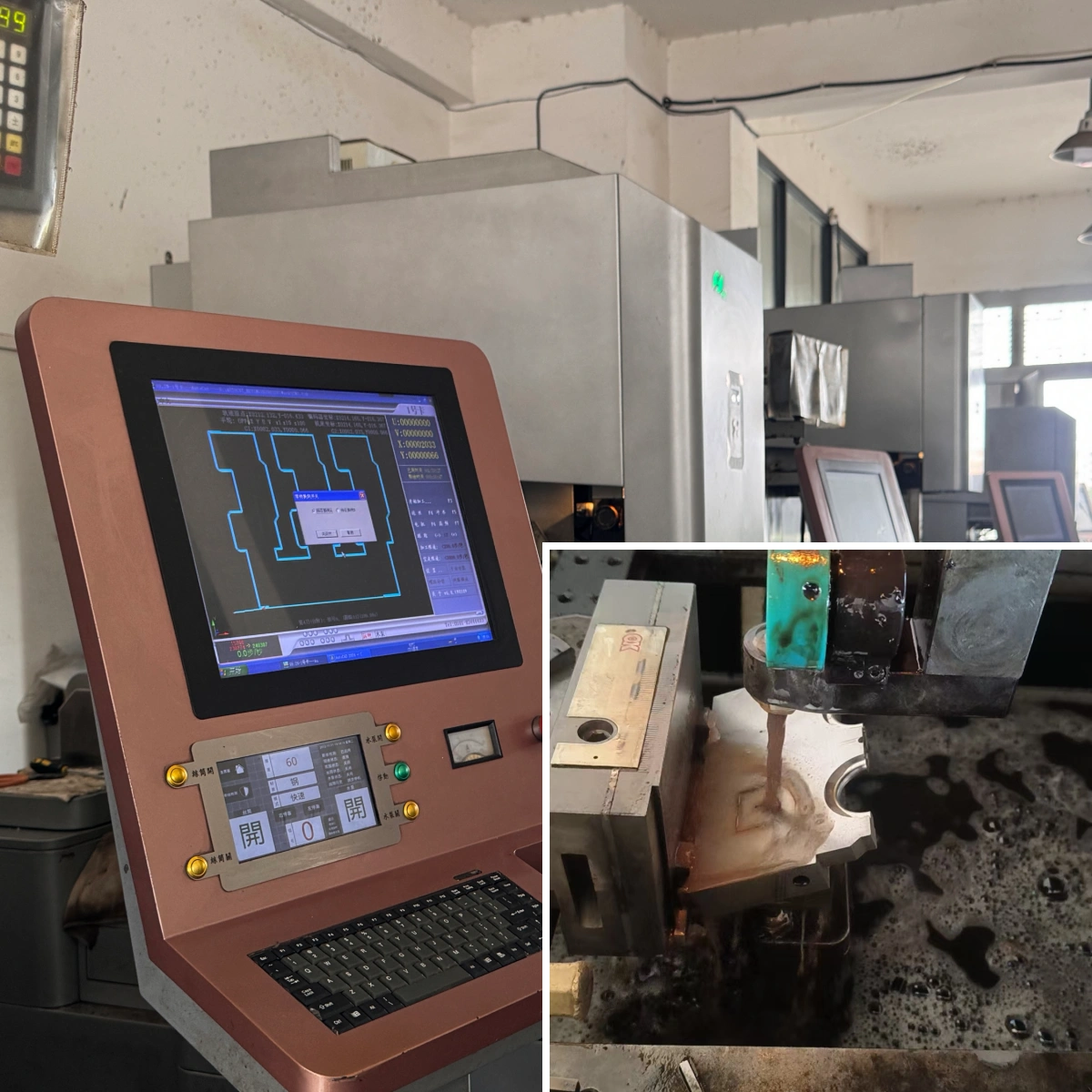
Mould Design
Confirm cavity layout, parting line, gate, ejection, insert positioning, shrinkage allowance and cooling.
Mould Steel Preparation
Select and cut the required mould steel blocks with machining allowance for the following operations.
Drilling
Machine screw, guide-pin, ejector-pin, cooling, locating and other structural holes to the drawing.
Heat Treatment
Harden the required components to improve wear resistance, stability, strength and mould service life.
Wire-Cut EDM
Produce accurate profiles, narrow slots, inserts and internal features that conventional cutting cannot form efficiently.
CNC Machining
Machine mould plates, cavities, cores and critical wheel, groove and bearing-position dimensions.
EDM Machining
Form deep cavities, corners and complex detailed surfaces while maintaining critical mould-area accuracy.
Mould Assembly
Inspect, fit and assemble cores, cavities, inserts, guides, ejection parts, cooling connections and locating parts.
Mould Trial
Check filling, dimensions, groove, bearing position, concentricity, shrinkage, flash, sink marks and demoulding.
After mould trial: Samples are inspected and submitted for customer approval before mass production.
Bearing, Plastic and Metal Parts Prepared as One Project
Each component has its own production route, but the key dimensions are controlled against one approved assembly.

Bearing Preparation and Injection Moulding
We confirm the bearing size, material, closure type and running condition before production. Depending on the required construction, the plastic outer ring may be moulded directly around the bearing or moulded separately before the bearing is press-fitted and retaine
- Direct bearing overmoulding for an integrated construction
- Shrinkage and groove dimensions
- Flash sink marks and deformation
- Secondary machining when required
- Separately moulded outer rings with press-fit or washer retention

Metal Stamping and Hardware Processing
Brackets, mounting plates, covers, shafts and related parts are produced to the confirmed assembly drawing.
- Blanking punching,and progressive stamping
- Bending,deep drawing,drilling and tapping
- CNC machining,riveting or welding
- Deburring, plating and surface finishing
Complete Assembly Inspection
Rollers, pulley wheels, bearings, shafts, washers, brackets and fasteners are assembled according to the approved construction. The finished assembly is checked for fit, retention and movement—not only the dimensions of each component.
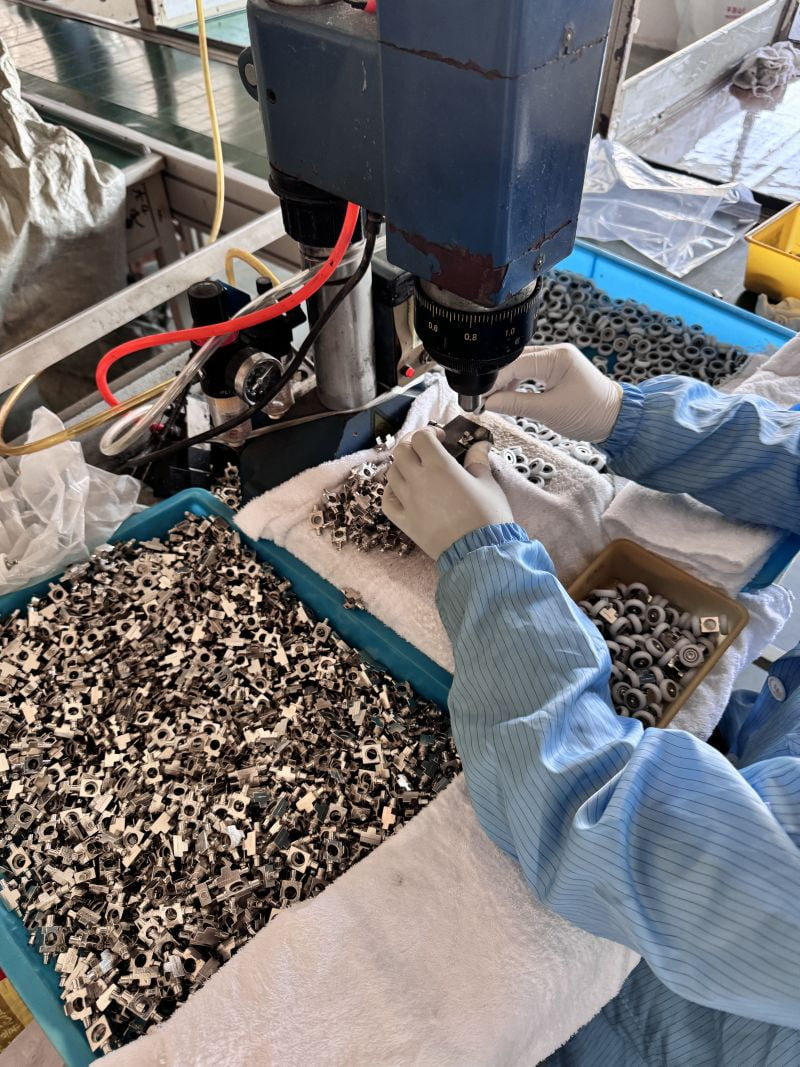
Complete Operating Unit Check
Inspected rollers, bearings, shafts, washers, brackets and fasteners are assembled according to the approved structure. The finished unit is checked for fit and movement, not only for the dimensions of each separate part.
- Press fitting,riveting,shaft insertion and screw fastening
- Free rotation and correct bearing fit
- Wheel alignment and operating clearance
- Critical dimensions,appearance and functional checks
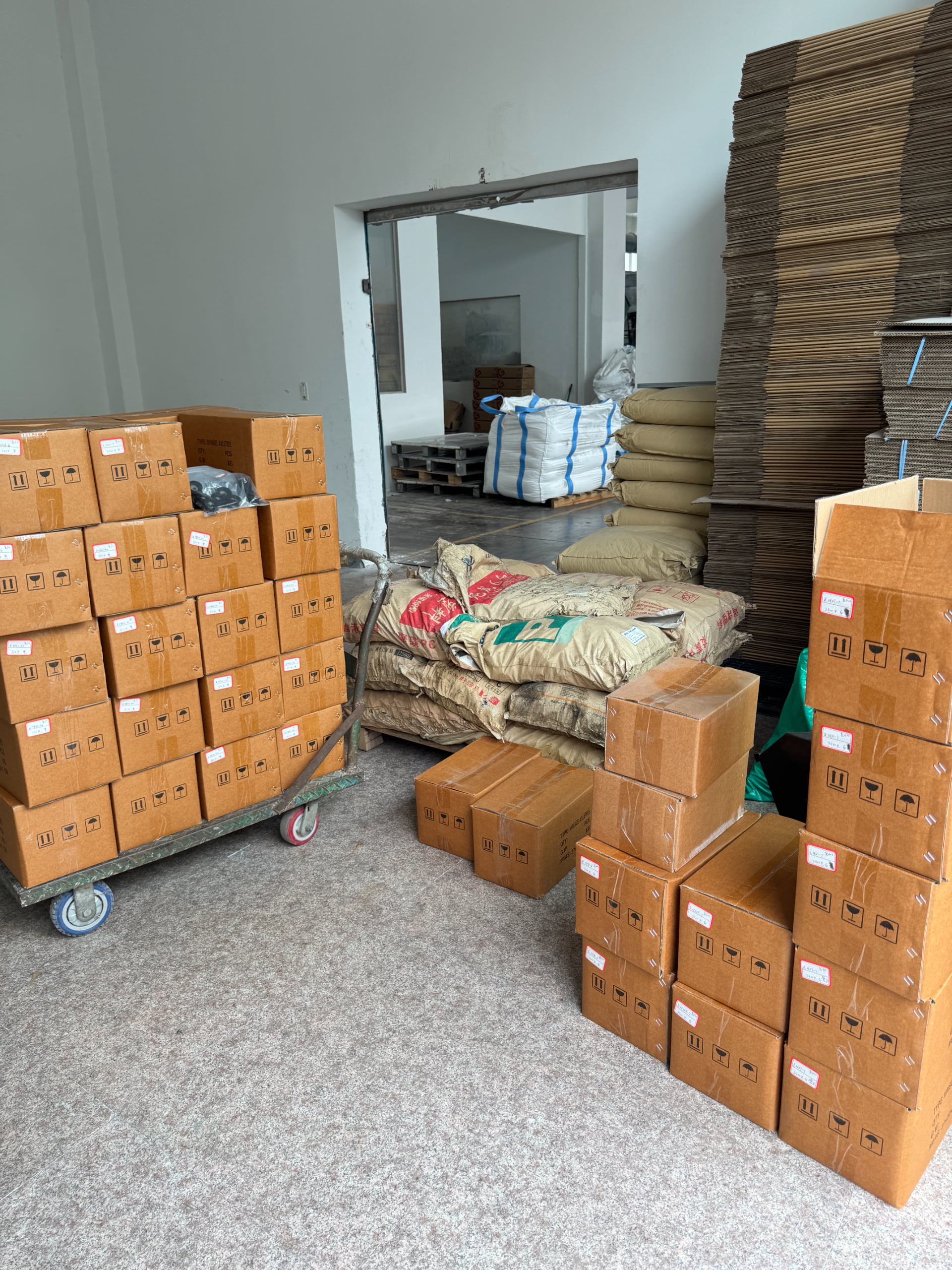
Shipment-Ready Packaging
Packaging is selected according to product weight, surface condition and transport method. Customer part numbers, labels and shipping marks can be applied after the specification is confirmed.
- Individual bags dividers inner boxes and export cartons
- Customer labels part numbers and private-label packaging
- Custom shipping marks and warehouse-ready labels
- Pallet protection for heavy hardware assemblies
Five Quality Checks for the Finished Assembly
Inspection standards are based on the approved drawing, confirmed sample and project requirements.
Bearing Rotation
Rotational smoothness, surface condition and correct bearing installation.
Critical Dimensions
Wheel, groove, bore, bracket, hole position and assembly dimensions.
Plastic Moulding
Filling, flash, sink marks, deformation, cracking and insert position.
Metal Part and Surface
Thickness, bending angle, burrs, finish and corrosion-protection requirements.
Final Assembly
Alignment, movement, operating clearance, appearance, packaging and final inspection records.
Frequently Asked Questions
Confirm the project route before tooling and sampling begin.
Can we start with a physical sample instead of a drawing?
Yes. A sample and application information can support the initial evaluation. Critical dimensions and an approved production drawing still need to be confirmed before tooling or mass production.
Can an existing mould be used?
If an available mould is close to the required dimensions, we first evaluate whether it can be used directly or adjusted through secondary machining. Wheel profile, bearing fit, wall thickness and assembly clearance determine feasibility.
Do all components have to be custom made?
No. Standard bearings, fasteners and related parts can be combined with custom moulded wheels and stamped brackets when they meet the project requirements.
When is the mould considered approved?
The tooling is approved after the trial sample meets the confirmed dimensional, appearance and assembly requirements and the customer accepts the sample or inspection result.
Can you deliver a complete assembled product?
Yes. We can coordinate the confirmed components, complete the specified assembly, inspect the finished unit and pack it according to the agreed export requirements.
How long does tooling and sampling take?
Lead time depends on product geometry, mould complexity, material, bearing availability and inspection requirements. The estimated tooling and sampling schedule is confirmed after the drawing or sample review.
Request an OEM Evaluation
Send your drawing, sample or application information. We will review the structure, available moulds, bearing options, materials, tooling needs and expected production route.
Information Needed for a Quotation
- 2D or 3D CAD File
- Physical Sample
- Application or Installation Photos
- Key Dimensions or Mating Parts
- Load and Operating Conditions
- Load and Operating Conditions
- Estimated Order Quantity
- Packaging or Labelling Requirements