
Are cylindrical, tapered and spherical rollers used for the same job? Is a needle roller a fourth basic shape? Does every bearing pulley contain a roller bearing?
I hear these questions in enquiries for sliding door rollers, window rollers, shower door hardware and industrial sliding parts.
The terminology can cause a purchasing error. A buyer may ask for a roller bearing while showing a plastic-coated wheel that contains a ball bearing. Another buyer may describe the outside groove of a sliding roller, while the supplier thinks the buyer means the rolling elements inside the bearing.
The short answer is:
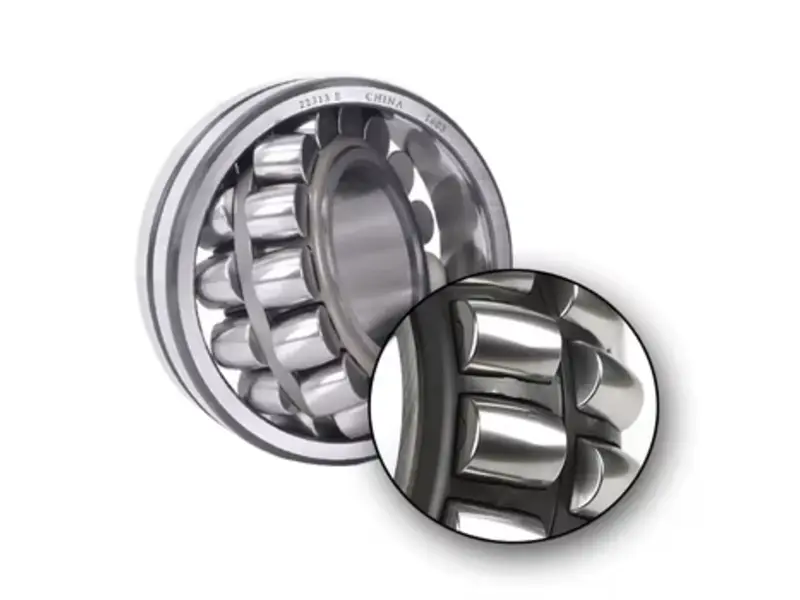
The three common basic roller bearing shapes are cylindrical, tapered and spherical or barrel. Cylindrical rollers often support mainly radial loads. Tapered rollers support combined radial and axial loads. Spherical rollers support heavy loads and can accommodate a defined degree of misalignment.
Needle rollers are long, slim cylindrical rollers. They form a separate product category, but their basic geometry comes from the cylindrical roller family.
This answer gives buyers a useful starting point. It does not confirm the correct bearing or finished wheel. The final choice also depends on load direction, speed, movement frequency, shaft size, housing space, sealing, lubrication and the complete roller structure.
What Does This Roller Bearing Guide Cover?
This guide explains the three basic roller shapes and connects them with the purchasing decisions behind a bearing pulley, sliding roller and OEM hardware assembly.
What Do the Three Basic Roller Bearing Shapes Mean?
The three shapes describe the rolling elements inside the bearing. They do not describe the outside profile of a finished pulley or wheel.
A roller bearing usually contains:
- An inner ring
- An outer ring
- Cylindrical, tapered or spherical rolling elements
- A cage in many designs
- Seals or shields in some designs
- Lubricant
The rolling elements move between the inner and outer raceways. Their shape affects how the bearing carries radial and axial force.
A finished bearing pulley contains more parts. It may include a ball bearing or roller bearing, an external wheel body, a plastic or rubber coating, a shaft, a bolt and a bracket.
| Term | What it describes | What buyers should confirm |
|---|---|---|
| Roller bearing | A bearing with rollers as its rolling elements | Internal bearing type and arrangement |
| Ball bearing | A bearing with balls as its rolling elements | Load, speed, seal and internal clearance |
| Bearing pulley | A finished pulley or wheel with a bearing | Bearing, wheel body, groove and mounting |
| Sliding roller | A wheel or roller used in a sliding system | Complete assembly and running surface |
| Coated bearing roller | A bearing with moulded plastic or rubber outside | Coating material, thickness and concentricity |
| Roller profile | The external flat, U, V or rounded running surface | Track or rail compatibility |
Why Do Buyers Confuse a Roller Bearing with a Bearing Pulley?
Buyers confuse these products because the word “roller” can describe an internal rolling element or a complete external wheel.
In roller and sliding hardware enquiries, I often receive a photo with a request such as:
Please quote this roller bearing for a sliding door.
The photo may show a nylon wheel with a sealed deep groove ball bearing inside. The finished product is a sliding roller or bearing pulley. The internal bearing is a ball bearing, not a roller bearing.
The following terms do not mean the same thing:
| Buyer’s wording | Possible intended product | Information still needed |
|---|---|---|
| Roller bearing | Cylindrical, tapered or spherical roller bearing | Bearing number or cross-section |
| Door roller | Complete wheel, shaft and bracket | Door weight, track and installation |
| Bearing pulley | Wheel with an internal bearing | Diameter, groove, bore and material |
| Nylon roller bearing | Nylon-coated bearing roller | Nylon grade, dimensions and bearing |
| V roller | V-groove external wheel | Track angle, groove depth and mounting |
| Guide roller | Side or top guide component | Force direction and rail position |
I ask the buyer to separate the internal bearing from the external wheel. This simple step prevents many quotation and sampling errors.
What Is a Cylindrical Roller Bearing?
A cylindrical roller bearing uses straight cylindrical rollers. Many designs carry high radial loads, but axial load capacity depends on the bearing arrangement and flange design.
A radial load acts across the shaft. A cylindrical roller creates line contact with the raceway. This contact can suit applications that require radial load capacity and stiffness.
A buyer should not write “cylindrical bearing” on a purchase order and stop there. Different cylindrical roller bearing designs can perform different locating functions.
| Cylindrical bearing point | Buyer question |
|---|---|
| Radial load | What radial force must the bearing support? |
| Axial load | Does the design need to control axial movement? |
| Ring flanges | Which ring guides the rollers? |
| Speed | What speed and duty cycle apply? |
| Shaft fit | What shaft tolerance and retention method apply? |
| Housing fit | Does the outer ring need a fixed or sliding fit? |
| Lubrication | What grease or oil system will the assembly use? |
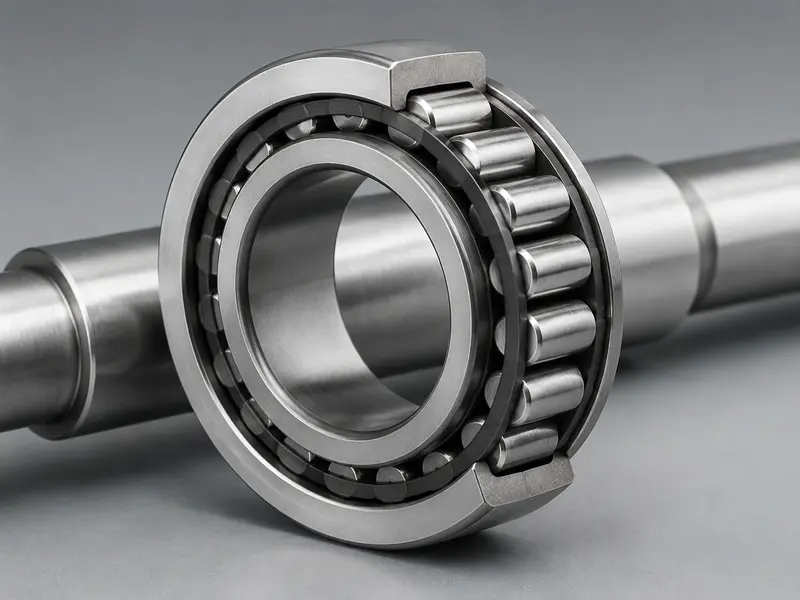
Is a Needle Roller Bearing a Fourth Basic Shape?
A needle roller is a long, slim form of cylindrical roller. Buyers often treat needle bearings as a separate product group because they provide a low cross-sectional height.
Needle roller bearings can suit assemblies with limited radial space. That does not mean every compact bearing pulley should use them.
The design must still provide:
- A suitable shaft or inner race
- A suitable housing or outer race
- Correct hardness on any surface used as a raceway
- Adequate lubrication
- Correct alignment
- Suitable axial location
- Protection from contamination
| Needle bearing benefit | Point to check |
|---|---|
| Low radial cross-section | Shaft and housing raceway condition |
| Compact structure | Assembly and lubrication method |
| Radial load capacity | Actual load and contact surface |
| Several construction options | Drawn cup, machined ring or cage assembly |
| Small outside diameter | Required bore and wall thickness |
A needle roller may solve a space problem. It does not automatically solve noise, corrosion or external track-contact problems.
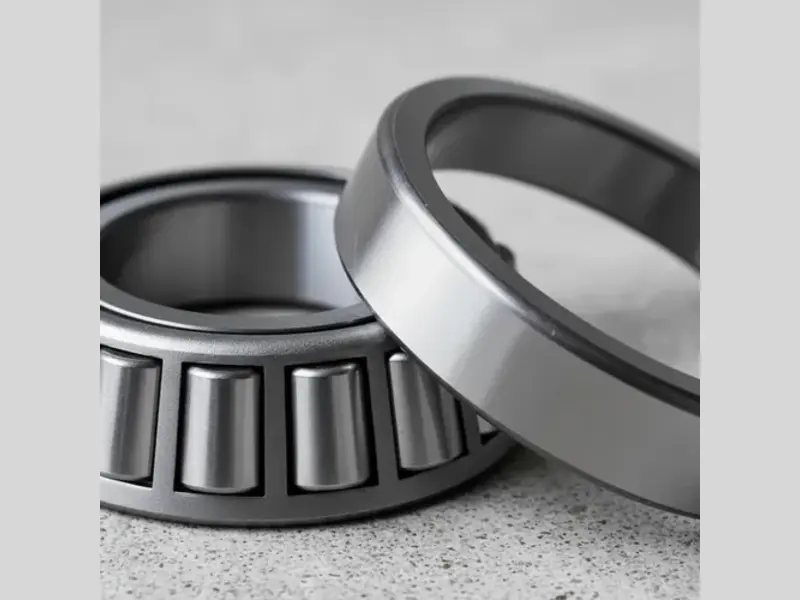
What Is a Tapered Roller Bearing?
A tapered roller bearing uses rollers and raceways with tapered geometry. It can support combined radial and axial loads.
An axial load acts along the shaft. A tapered arrangement can manage both radial and axial forces because of the contact angle between the roller and raceway.
A single-row tapered roller bearing normally controls axial load in one direction. A paired or multi-row arrangement can control axial force in both directions when the design specifies that function.
The mounting process matters. Bearing setting, clearance, preload, shaft fit and housing fit affect the complete assembly. The responsible technical team should define and validate these details.
| Tapered bearing point | Buyer question |
|---|---|
| Combined load | What radial and axial forces apply? |
| Axial direction | Does the force act in one direction or both? |
| Bearing arrangement | Will the assembly use one, two or several rows? |
| Setting | What clearance or preload does the design require? |
| Shaft and housing | Can the structure support the bearing arrangement? |
| Lubrication | How will grease reach the roller and rib contact? |
| Assembly control | How will production confirm the final setting? |
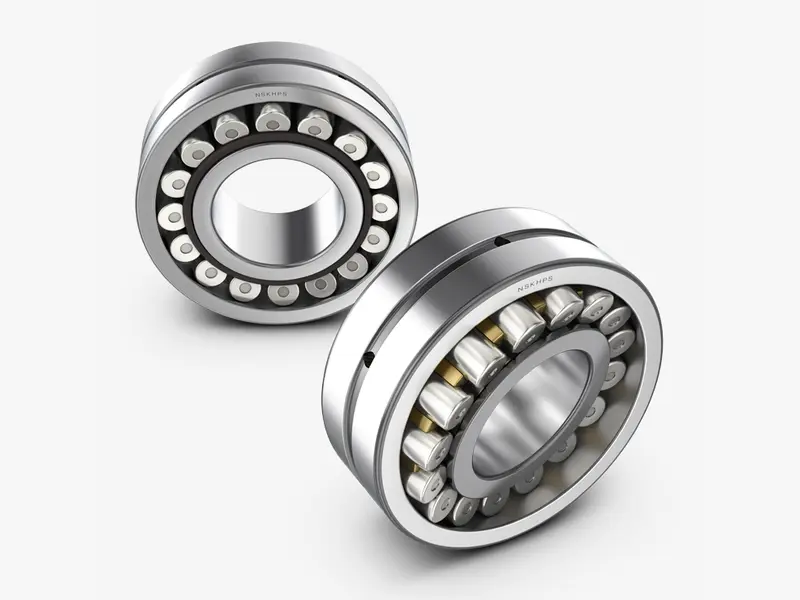
What Is a Spherical or Barrel Roller Bearing?
A spherical roller bearing uses barrel-shaped rollers and a spherical outer raceway. This structure can support heavy loads and accommodate a defined degree of misalignment.
Misalignment can come from shaft deflection, housing position or mounting conditions. A spherical roller bearing can adjust internally within its design limits.
This feature does not make installation accuracy unimportant. Excessive misalignment can still create heat, wear and sealing problems. The permitted value depends on the bearing design, load and surrounding parts.
| Spherical bearing point | Buyer question |
|---|---|
| Radial load | Is the load heavier than a compact hardware bearing normally carries? |
| Axial load | Does the application include axial force? |
| Misalignment | What shaft or housing movement can occur? |
| Installation space | Can the assembly accept the bearing width and outside diameter? |
| Speed | Does the selected design suit the operating speed? |
| Seal and lubricant | How will the bearing handle dust, water and grease retention? |
| Housing | Does the housing support correct bearing location? |
Spherical roller bearings often appear in heavier industrial equipment. They are less common in small shower door, window and furniture rollers because these products usually have tighter space and cost limits.
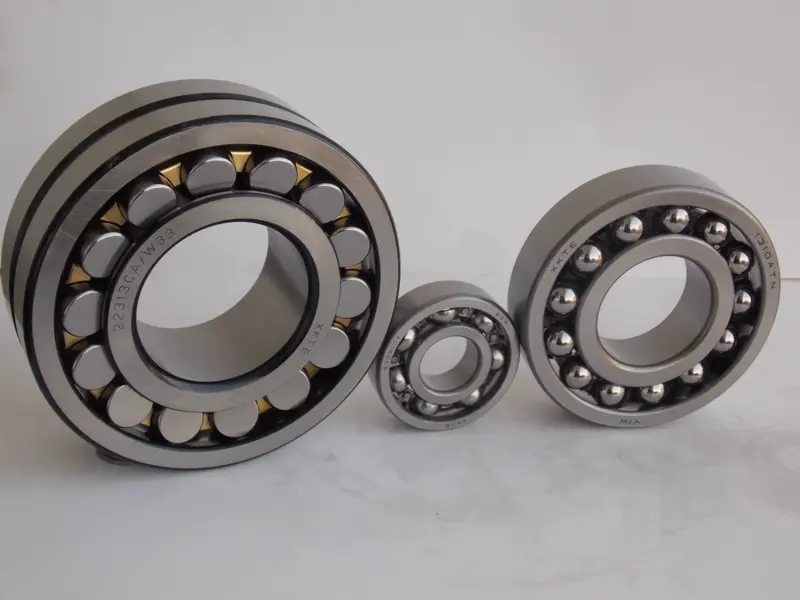
How Do the Three Roller Bearing Shapes Compare?
Each roller shape serves a different load and installation need. No shape is the best choice for every assembly.
| Roller shape | Basic geometry | Typical load focus | Main buying point | Common risk |
|---|---|---|---|---|
| Cylindrical | Straight cylinder | Mainly radial load in many designs | Confirm flange and locating function | Buyer assumes every design carries axial load |
| Needle | Long, slim cylinder | Radial load where radial space is limited | Confirm shaft and housing raceways | Compact size hides assembly requirements |
| Tapered | Cone-shaped roller | Combined radial and axial load | Confirm arrangement and setting | Incorrect clearance or preload |
| Spherical or barrel | Curved barrel-shaped roller | Heavy load with some misalignment | Confirm permitted misalignment and space | Buyer treats self-alignment as unlimited |
This table supports an initial discussion. It does not replace the bearing manufacturer’s product data or the buyer’s application test.
How Does Load Direction Affect Roller Bearing Selection?
Load direction helps define the bearing family, but the total assembly determines the final choice.
Buyers should identify three basic load conditions:
- Radial load acts across the shaft.
- Axial load acts along the shaft.
- Combined load includes both radial and axial force.
A sliding door wheel normally receives a main radial load from the door weight. Side force can also enter the assembly through poor alignment, guide contact, impact or track variation.
A heavy industrial roller may receive a different load pattern. It may face continuous radial load, starting force, shock, vibration or axial movement.
| Load condition | Initial bearing discussion | Further checks |
|---|---|---|
| Mainly radial | Cylindrical, needle or suitable ball-bearing structure | Speed, space, seal and shaft |
| Radial plus one-way axial | Tapered or another locating-bearing design | Direction, setting and mounting |
| Radial plus two-way axial | Paired, double-row or another approved arrangement | Space and assembly control |
| Heavy load with misalignment | Spherical roller bearing may enter the review | Housing, speed and permitted angle |
| Light or moderate hardware load | A ball-bearing-based pulley may be suitable | Noise, seal, coating and track |
How Do Space and Shaft Size Affect Bearing Choice?
The available space can remove some bearing options before the buyer compares price.
A bearing must fit the shaft, housing and external roller body. A compact window roller may leave little radial and axial space. An industrial roller may provide more room but carry a heavier load.
I ask buyers for these dimensions:
| Dimension | Why it matters |
|---|---|
| Shaft diameter | Defines the bearing bore and fit |
| Maximum outside diameter | Limits the bearing and wheel size |
| Bearing width | Affects bracket and housing space |
| Wheel diameter | Affects rolling contact and clearance |
| Wheel width | Affects the track and mounting structure |
| Shoulder position | Controls axial location |
| Retaining space | Allows a circlip, nut, rivet or pressed shaft |
| Coating thickness | Reduces the space available for the bearing body |
A needle roller bearing can provide a low cross-section, but the surrounding shaft and housing may need to act as raceways. A deep groove ball bearing may provide a simpler complete structure for some compact hardware rollers.
The best choice is the structure that passes the buyer’s test and remains repeatable in production.
How Does Misalignment Affect a Roller Bearing?
Misalignment changes the contact between the rolling elements and raceways. It can increase noise, friction, heat and local wear.
A spherical roller bearing can accommodate more misalignment than many cylindrical or tapered designs. However, the complete mechanism must still control alignment.
In sliding hardware, misalignment can come from:
- A bent shaft
- An uneven bracket
- A twisted door frame
- Incorrect hole positions
- Poor track installation
- Excessive shaft clearance
- An off-centre moulded coating
- A wheel groove that does not match the rail
A self-aligning internal bearing cannot correct every external wheel or track problem.
| Misalignment source | Bearing-related check | Assembly-related check |
|---|---|---|
| Shaft angle | Bearing alignment capability | Shaft straightness and support |
| Housing error | Outer-ring seating | Hole position and housing accuracy |
| Door-frame movement | Load direction | Frame stiffness and installation |
| Track variation | Wheel loading | Track profile and straightness |
| Coating eccentricity | Bearing rotation | Moulding centre and wheel runout |
Does a Bearing Pulley Always Use a Roller Bearing?
No. Many bearing pulleys and sliding rollers use ball bearings, bushes or plain bores instead of roller bearings.
A deep groove ball bearing can support radial load and some axial load in both directions. This bearing type also fits many compact rotating products.
The final bearing pulley may use:
- One deep groove ball bearing
- Two deep groove ball bearings
- One needle roller bearing
- A bush
- A plain bore
- A special bearing assembly
The product name does not confirm the internal structure.
| Finished product | Possible internal support |
|---|---|
| Sliding door roller | Ball bearing, bush or plain bore |
| Shower door wheel | Small sealed ball bearing |
| Window roller | Ball bearing, bush or riveted wheel |
| Guide pulley | One or two ball bearings |
| Industrial sliding roller | Ball, needle, cylindrical or another approved bearing |
| Heavy roller assembly | Tapered or spherical structure in suitable applications |
A buyer should request a cross-section or bill of materials before comparing quotations.
How Is the Internal Roller Shape Different from the External Wheel Profile?
The internal roller shape controls bearing contact. The external wheel profile controls contact with the track, rail, cable or guide surface.
A finished sliding roller may have one of these external profiles:
| External profile | Typical contact | Buyer checks |
|---|---|---|
| Flat | Flat rail or surface | Width, edge clearance and alignment |
| U-groove | Round rail or cable | Groove radius and depth |
| V-groove | Raised V-track | Groove angle, opening and track height |
| Concave | Rounded rail | Radius and side clearance |
| Convex | Guide surface | Contact width and retention |
| Flanged | Rail with side guidance | Flange clearance and side force |
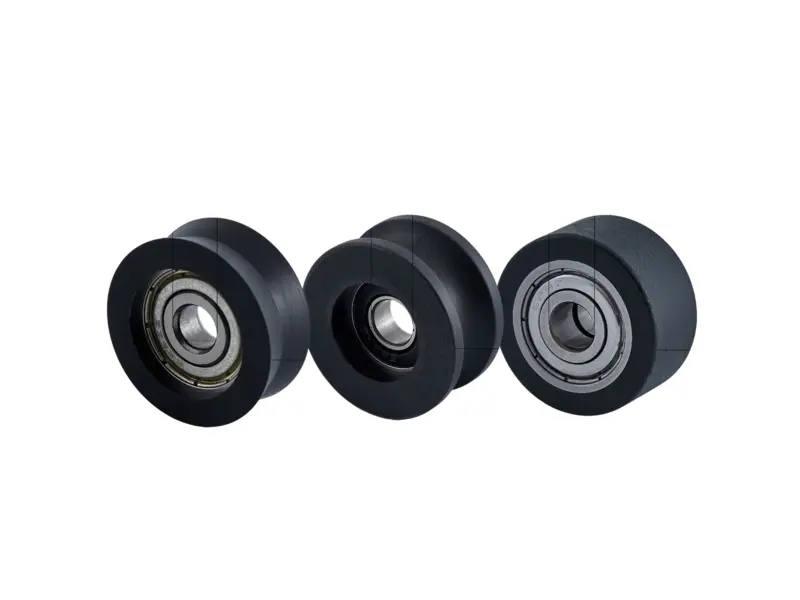
A V-groove bearing pulley may contain a ball bearing. A flat plastic sliding roller may also contain a ball bearing. The external profile does not prove the internal bearing type.
How Do Plastic and Rubber Coatings Affect a Sliding Roller?
A plastic or rubber coating changes track contact, noise, grip and wheel dimensions. It does not change the internal rolling element into another bearing type.
A coated bearing roller combines two product areas:
- The internal bearing controls rotation.
- The external coating controls contact with the running surface.
Common external materials include POM, nylon, polyurethane, TPE and rubber. Each material family includes different grades and performance limits.
| Coating option | Reason to assess it | Point to confirm |
|---|---|---|
| POM | Smooth surface and stable dimensions | Wall thickness, impact and temperature |
| Nylon | Low weight and useful wear properties | Moisture, grade and deformation |
| Polyurethane | Wear and grip options | Hardness, bonding and rolling resistance |
| Rubber | Softer contact and lower contact noise | Deformation, ageing and adhesion |
| Uncoated steel | Stiff running surface | Noise, corrosion and track wear |
| Stainless steel | Corrosion and appearance requirements | Grade, cost and contact noise |
The coating thickness also affects the outside diameter, groove depth and bearing support. Poor centring can cause wheel wobble even when the internal bearing rotates smoothly.
Which Bearing Structures Suit Sliding Door and Window Hardware?
Compact sliding hardware often uses ball-bearing-based wheels, bushes or plain-bore rollers. Larger industrial systems may require a different bearing arrangement.
A product category does not produce one universal bearing choice.
| Application | Common buying priority | Structure to assess |
|---|---|---|
| Sliding door | Quiet movement, compact size and repeatability | Sealed ball-bearing pulley or approved alternative |
| Window hardware | Small space and low starting force | Compact bearing, bush or riveted roller |
| Shower door | Moisture, appearance and smooth movement | Sealed bearing with corrosion review |
| Furniture slider | Cost, noise and compact mounting | Small bearing or plain-bore wheel |
| Industrial door | Load, duty cycle and contamination | Larger sealed bearing or approved roller-bearing structure |
| Conveyor guide | Continuous movement and alignment | Bearing type based on load and speed |
| Heavy sliding equipment | Load distribution and impact | Engineering review of the complete roller assembly |
I do not select a bearing from the application name alone. I ask for the load, speed, cycle frequency, shaft, track, environment and acceptance test.
Buyers can compare standard structures on our sliding rollers with bearing page. Projects with a new wheel, shaft or bracket can follow our OEM and ODM process.
What Does a Typical Bearing Pulley Enquiry Teach Buyers?
A typical enquiry shows why a product photo and outside diameter cannot confirm the bearing structure.
A buyer once described a product as a “roller bearing for a sliding door”. The first information included a front-view photo and an outside diameter.
The photo showed a black external wheel with a metal centre. It could have contained:
- A ball bearing
- A small roller bearing
- A bush
- A plain bore with a metal sleeve
I asked for:
- A side-view photo
- The wheel width
- The bearing bore
- The visible seal or shield
- A cross-section
- The shaft dimensions
- The door weight
- The number of wheels
- The track profile
- The expected order quantity
The later information confirmed that the product used a sealed deep groove ball bearing with a moulded plastic outside. The buyer needed a plastic-coated bearing pulley, not a cylindrical roller bearing.
This correction changed the product description, quotation basis and sample inspection plan. It also reduced the risk that two suppliers would quote different internal structures against the same photo.
What Information Should B2B Buyers Send to a Supplier?
A B2B buyer should send application, load, movement, dimension, environment and purchasing information before requesting a final bearing pulley quotation.
| Information group | Details to provide | Why the supplier needs it |
|---|---|---|
| Application | Sliding door, window, shower door or industrial system | Defines the starting product category |
| Moving load | Total moving weight and wheel quantity | Supports load review |
| Force direction | Radial, axial or combined | Supports bearing-family review |
| Movement | Speed, travel and cycles per day | Supports wear and lubrication review |
| Space | Shaft, bore, width and outside diameter | Confirms physical fit |
| Track | Profile, dimensions and material | Confirms external wheel contact |
| Environment | Indoor, outdoor, water, dust, salt and temperature | Supports seal and material review |
| Noise | Required sound level or approved reference sample | Defines a measurable target |
| Wheel material | Metal, POM, nylon, polyurethane or rubber | Defines the running surface |
| Bearing | Model, seal, supplier or performance requirement | Controls the internal rotating part |
| Mounting | Shaft, bolt, rivet, bracket or housing | Confirms assembly structure |
| Quantity | Sample, first order and annual demand | Supports tooling and production planning |
| Quality | Drawing, inspection report and test method | Creates an approval standard |
| Commercial | Target price and required delivery date | Supports a workable quotation |
Send a drawing if one is available. The drawing should identify critical dimensions and tolerances.
If the drawing is incomplete, send a physical sample, clear photos and installation information. A sample without application details can confirm dimensions, but it cannot confirm suitability.
What Should Buyers Test Before Bulk Production?
Buyers should test the complete bearing, wheel, shaft, bracket and running surface before bulk production.
A loose bearing test cannot represent the full sliding system. The external coating, shaft fit and track contact can change the result.
| Test area | Sample approval question |
|---|---|
| Dimensions | Does the sample match the signed drawing? |
| Bearing rotation | Does the bearing rotate without abnormal roughness? |
| Shaft fit | Does the bearing fit and remain correctly located? |
| Wheel runout | Does the external wheel remain centred during rotation? |
| Groove contact | Does the wheel match the approved track? |
| Load | Does the complete assembly pass the buyer’s defined load test? |
| Movement | Does the product complete the full travel without binding? |
| Noise | Does the assembly meet the buyer’s approved noise limit? |
| Environment | Do the seal, material and finish suit actual conditions? |
| Endurance | Does the sample pass the defined cycle test? |
| Packaging | Does the packaging prevent corrosion and surface damage? |
| Repeatability | Does the production sample match the approved sample? |
The buyer’s technical team should define the load, speed, cycle count, temperature and acceptance limits. The supplier can provide component data and production samples, but the buyer must approve the final application.
How Should Buyers Assess a Sliding Door Hardware Factory?
Buyers should assess a sliding door hardware factory by its control of bearings, coating, shafts, brackets, samples and repeat orders.
A low unit price does not show whether the supplier can maintain the approved structure across several production batches.
| Factory area | Question to ask | Purchasing risk controlled |
|---|---|---|
| Terminology review | Can the supplier separate the internal bearing from the finished roller? | Wrong product quotation |
| Drawing review | Can the supplier identify critical dimensions? | Assembly mismatch |
| Bearing control | Are bearing model, source and closure recorded? | Batch variation |
| Material control | Is the agreed plastic, rubber or metal grade controlled? | Material substitution |
| Moulding | Is coating thickness and concentricity checked? | Wobble and uneven wear |
| Machining | Are bore, groove and shaft tolerances measured? | Poor fit and track mismatch |
| Assembly | Is bearing fit and rotation checked after assembly? | Damage during pressing |
| Stamping | Are bracket position and thickness controlled? | Misalignment |
| Sampling | Does the supplier provide a controlled approval sample? | Unclear production standard |
| Inspection | Does the report cover agreed dimensions and functions? | Unverified quality |
| Change control | Must the buyer approve material or process changes? | Unstable repeat orders |
| Packaging | Are bearings and finished surfaces protected? | Rust and transport damage |
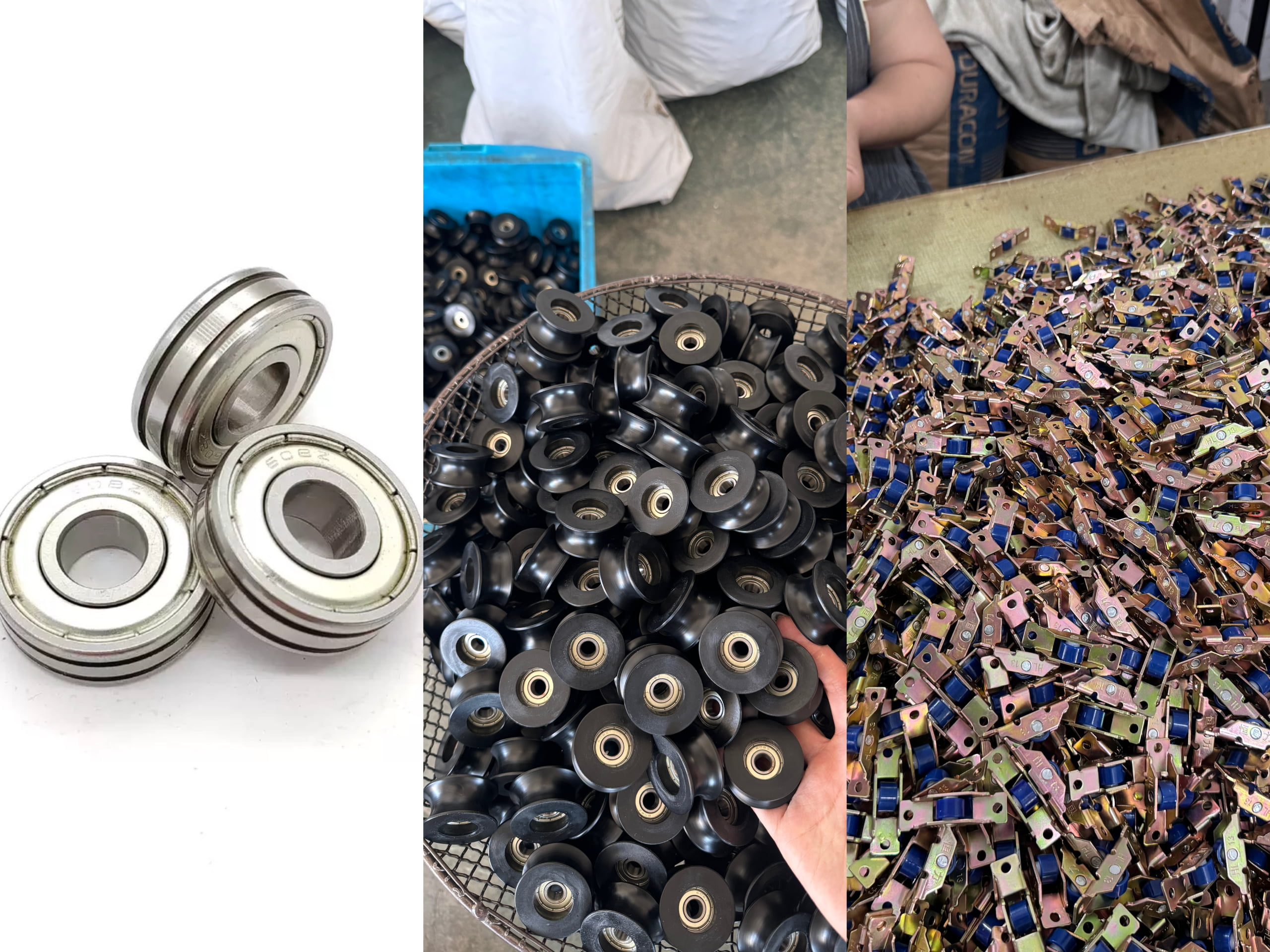
In our factory, I review plastic-coated bearing rollers, rubber-coated rollers, sliding rollers, shafts and brackets as connected parts. This production view helps me identify missing enquiry information. The buyer’s qualified technical team still approves the bearing arrangement, load and final system performance.
What Mistakes Increase Bearing Pulley Purchasing Risk?
Most purchasing problems start with an incomplete specification or an assumption based on product appearance.
| Purchasing mistake | Possible result | Better action |
|---|---|---|
| Asking for a roller bearing from a photo | Suppliers quote different structures | Send a cross-section and bearing number |
| Selecting by outside diameter | Bore, width or groove does not fit | Approve all interface dimensions |
| Treating needle rollers as universal compact bearings | Shaft or housing cannot serve as a raceway | Review the complete bearing arrangement |
| Assuming tapered bearings carry axial load in both directions | Assembly lacks the required paired arrangement | Confirm bearing direction and setting |
| Using a spherical bearing to correct poor installation | External wheel or track still runs badly | Control the whole assembly |
| Ignoring the external coating | Noise or wheel diameter changes | Specify material, hardness and thickness |
| Comparing only unit price | The cheaper quote uses a different bearing or material | Compare controlled specifications |
| Skipping application testing | Sample fails after bulk production | Test the complete mechanism |
| Allowing unapproved changes | Repeat orders behave differently | Add written change control |
What Is the Final B2B Roller Bearing Selection Checklist?
B2B buyers should identify the internal bearing, external wheel and complete mounting structure before approving a sliding roller.
Use this order:
- Define the application.
- Confirm the total moving load.
- Identify radial and axial force.
- Record speed, travel and movement frequency.
- Confirm shaft and housing dimensions.
- Decide whether the application needs a ball bearing or roller bearing.
- Compare cylindrical, needle, tapered and spherical roller designs where relevant.
- Confirm the bearing arrangement and axial location.
- Select the seal or shield.
- Confirm lubrication requirements.
- Define the external wheel profile.
- Match the wheel with the track.
- Select the wheel body or coating material.
- Confirm the shaft, bolt, bracket and retention method.
- Produce a controlled sample.
- Test the complete assembly.
- Sign the drawing and bill of materials.
- Confirm inspection and change-control requirements.
- Approve packaging.
- Monitor repeat-order consistency.
Do not ask only:
Which roller bearing shape is best?
Ask:
Which bearing, wheel, shaft, bracket and track combination meets our approved application test and purchasing specification?
That question gives the supplier a clear basis for product selection.
What Questions Do Buyers Ask About Roller Bearing Shapes?
Are ball bearings one of the three basic roller bearing shapes?
No. Ball bearings use balls as rolling elements. Roller bearings use cylindrical, tapered, needle, spherical or other roller forms.
Are needle rollers the same as cylindrical rollers?
Needle rollers are a slim form of cylindrical roller. The bearing industry treats needle roller bearings as a clear product category because their low cross-section affects design and assembly.
Can a cylindrical roller bearing carry axial load?
Some cylindrical roller bearing designs can support axial load through their flange arrangement. Other designs mainly carry radial load and allow axial displacement. Buyers must check the exact bearing design.
Can one tapered roller bearing carry axial load in both directions?
A standard single-row tapered roller bearing normally controls axial load in one direction. A paired, double-row or another approved arrangement can control axial loads in both directions.
Does a spherical roller bearing correct every alignment problem?
No. It can accommodate a defined amount of misalignment. It cannot correct a badly positioned wheel, unsuitable track, bent bracket or excessive shaft movement.
Does every sliding roller contain a roller bearing?
No. Many sliding rollers use deep groove ball bearings, bushes or plain bores. Buyers should check the internal structure instead of relying on the product name.
Does a plastic-coated bearing become a plastic bearing?
No. The external running surface may be plastic, while the internal rotating component remains a steel ball bearing or roller bearing.
Can a sliding door hardware factory select the bearing from a photo?
A factory can identify possible structures from a photo, but it cannot confirm the product from appearance alone. The buyer should provide dimensions, load, track, shaft, environment and test requirements.
Do You Need a Bearing Pulley or Custom Sliding Roller?
Send your drawing, reference sample, track details, load information and order plan. We can first check whether an existing wheel or mould matches the requirement.
The project review may cover:
- An existing plastic-coated bearing roller
- A rubber-coated bearing roller
- A different bearing model
- One-bearing or two-bearing construction
- A custom external groove
- A specified wheel material
- A custom shaft or rivet
- A stamped bracket
- Secondary machining
- New mould development
- A complete bearing pulley assembly
- Private-label packaging
- Batch inspection requirements
Our production review covers manufacturability, dimensions, material options, bearing assembly and repeat-production control. Your technical team should approve the final load, bearing arrangement and application performance.
View Sliding Rollers with Bearing
Read How Roller Materials Affect Selection